
"Illuminating the Dark: The Role of Night Vision in Modern Warfare and Healthcare"
1762603224000
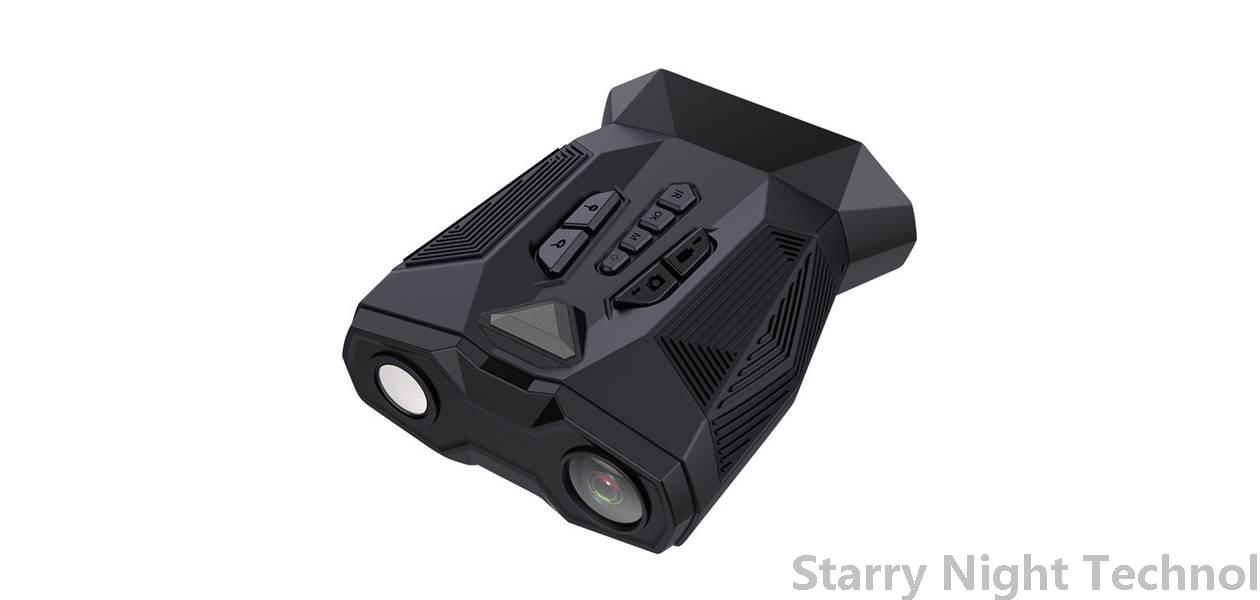
In recent decades, advancements in technology have revolutionized multiple fields, from defense initiatives to healthcare practices. Among the numerous innovations that continue to push boundaries is night vision technology—a tool originally conceived for military applications that has now found a multitude of uses beyond the battlefield. This article delves into the transformative role of night vision equipment in modern warfare and healthcare, illustrating how these tools illuminate dark scenarios towards more strategic and informed decision-making.
#### Night Vision Technology in Modern Warfare
The art of warfare has inevitably evolved over time, shaped significantly by technological improvements. One of the most critical elements amongst these advancements has been the development of night vision capabilities. Originally developed in World War II, early systems were bulky and less effective, but progress has led to the proliferation of sophisticated optical gear utilized by armed forces worldwide today.
**Operational Advantages**
Night vision devices allow personnel to see in low-light conditions, granting significant operational advantages on the battlefield. Soldiers equipped with night vision goggles can effectively conduct reconnaissance missions under cover of darkness, enhancing their ability to navigate hostile environments while remaining concealed from enemy detection. Operations previously restricted to daylight hours can now take place under the cloak of night, shifting the tactical landscape entirely.
Moreover, high-definition infrared imaging systems can detect heat signatures, revealing otherwise invisible threats or presence within specific geographical areas. These mechanisms provide crucial situational awareness, enabling quicker response times and reduced likelihood of casualty among ground troops.
**Integration with Other Technologies**
Remarkably, night vision technology doesn't stand alone; it integrates seamlessly with other advanced systems, such as drones and enhanced surveillance methods. Combining aerial views captured by drone-mounted cameras with man-portable night vision optics provides an unparalleled overview of battlefields. Furthermore, artificial intelligence (AI) supports the interpretation of live data feeds, helping commanders make real-time decisions based on comprehensive analytics.
As conflicts escalate and become increasingly unpredictable, adopting advanced night vision systems ensures that a disciplined approach prevails—one marked by increased mobility, precision, and safety.
#### Beyond the Battlefield: Transformative Impact in Healthcare
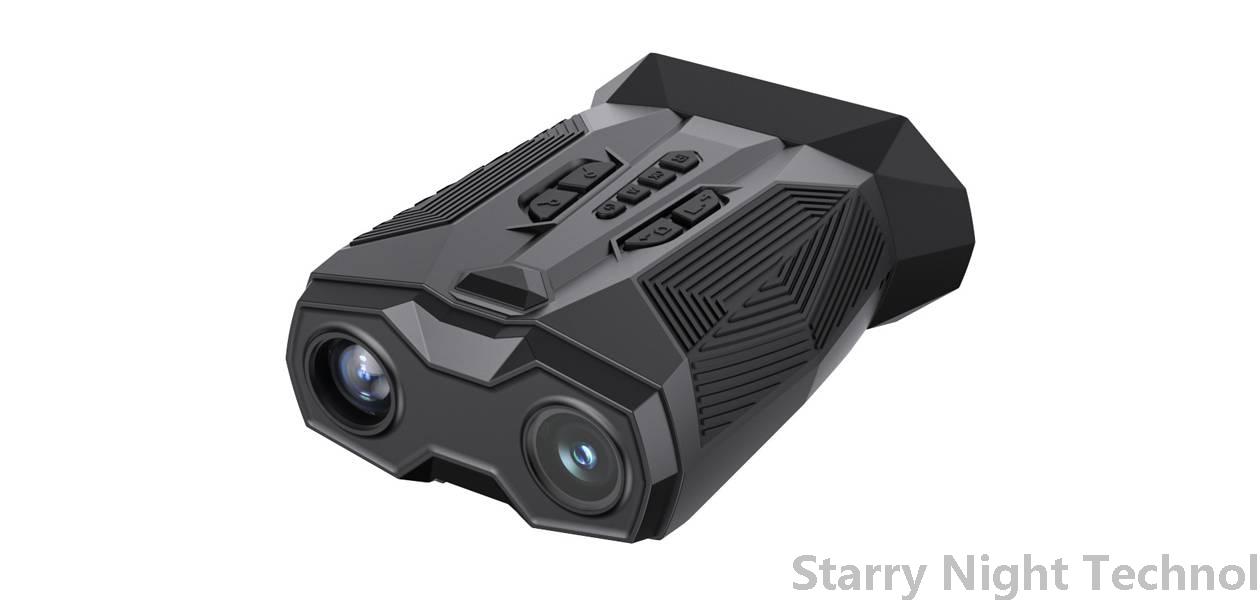 **Emergency Medical Response**
In pre-hospital environments, nighttime emergencies present considerable challenges, where traditional lighting may be insufficient or nonexistent. Herein lies the value of portable night vision systems, enabling EMS teams to assess patient conditions accurately without relying solely on external illumination. Whether conducting roadside rescues or performing quick evaluations during mass casualty incidents, these developments enhance medical professionals' ability to provide timely interventions.
**Surgical Applications**
Surgeons are also utilizing expansive night vision tech in operating rooms, especially in specialized procedures requiring minimal light pollution. Endoscopic surgery and minimally-invasive techniques, which require extreme precision and clarity, benefit greatly from near-infrared night vision systems. Surgeons can operate more confidently with added visual enhancements to highlight vascular structures and tissue bordering surgical sites, improving postoperative outcomes and reducing recovery periods for patients.
**Telemedicine Innovations**
As healthcare embraces digital solutions like remote monitoring and consultations, methods combining night vision components represent exciting prospects for telemedicine. Certain diagnostics—especially those involving inaccessible or difficult-to-illuminate spaces—can be conducted remotely using innovative imaging tools that leverage night vision-like capabilities. For example, clinicians might employ remote inspection devices for dental health assessments or dermatological concerns in poorly lit conditions.
#### Ethical Considerations and Future Directions
Despite its tremendous benefits across diverse sectors, the use of night vision technology raises essential ethical considerations worthy of careful scrutiny. In warfare, the consequences of disproportionate force application enabled by superior visibility tools demand responsible engagement rules to mitigate civilian harm. Similarly, in healthcare contexts, continuous discourse surrounding patient privacy versus necessary access remains paramount as digital avenues expand.
As research continues, further innovations will likely emerge, integrating artificial intelligence, augmented reality, and even machine learning capabilities into night vision systems. The future could witness sophisticated wearable devices helping soldiers sense changes in environmental factors alongside regular functions, or surgeons achieving unprecedented visualization of anatomy through multi-layer depth-enhancing displays.
Ultimately, illuminating dark spaces transcends mere enhancement of sight—it reflects a broader shift towards smarter problem-solving methodologies. By acknowledging both opportunities and responsibilities tied to night vision, society can forge ahead into an era characterized not just by improved efficacy but also guided by ethical paradigms attuned to the betterment of humanity as a whole.
Night vision device productsStarry Night Technol
 Starry Night Technol
- +86 177 2792 7301
- Room 6A-16, 6th Floor, Shenzhou Computer Building, No. 2 Beier Road, Longgang District, Shenzhen Province, China