
"The Next Frontier: How Low Light Technology is Changing Industries Globally"
1762585222000
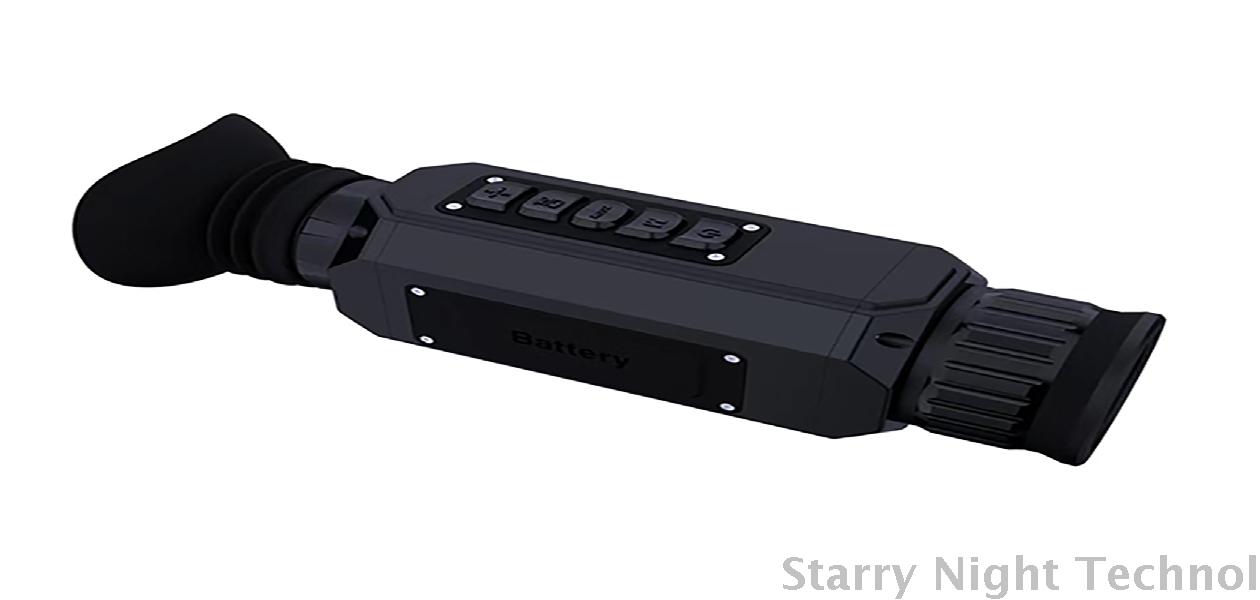
The relentless march of technology often finds itself harnessed in service of improving everyday experiences, productivity, and safety. Remarkably, one such innovation that is now making waves across various sectors lies within the realm of low light technology. From enhancing security systems to increasing agricultural yield, developments in low-light imaging and sensing capabilities are setting a new standard for how industries operate globally.
#### Understanding Low Light Technology
Low light technology refers to methods and tools designed to capture images and data under conditions where natural or artificial illumination is minimal. Historically, these scenarios rendered conventional cameras ineffective due to noise and poor image resolution. However, advancements such as high-sensitivity sensors, near-infrared (NIR) imaging, and specialized optics have enabled significant improvements in performance even in darkness.
These technologies utilize enhanced algorithms and sophisticated signal processing techniques to extract usable visuals from faint signals, allowing clarity without substantial increases in brightness. Whether applied in defense, healthcare, agriculture, or consumer electronics, the applications of this technology continue to expand.
#### Transforming Security and Surveillance
Perhaps one of the most impactful sectors benefiting from low light technology is security and surveillance. In an age where crime prevention relies heavily on the robustness of monitoring systems, organizations are investing considerably in low light cameras equipped with advanced night vision capabilities.
Traditional CCTV cameras struggle in poorly lit environments, leaving gaps during nighttime hours when criminal activities are likely to occur. With low light technology, surveillance systems can provide crisp, informative footage, even under challenging conditions. This capability enhances situational awareness and empowers law enforcement agencies to act promptly, thus bolstering public safety.
Furthermore, many private entities—from retail businesses to banks—are also adopting these systems. By minimizing blind spots and ensuring comprehensive coverage around their premises, they not only protect assets but also enhance customer safety.
#### Enhancing Medical Imaging and Healthcare Diagnostics
In healthcare, low light technology has emerged as a game changer in medical imaging. For example, endoscopic procedures benefit greatly from low-light cameras which allow surgeons to visualize intricate details inside the body while utilizing minimal lighting. This approach reduces discomfort for patients while enabling doctors to carry out precise diagnostics and interventions effectively.
Moreover, advancements in phototherapy treatments leverage low light wavelengths to target specific health issues, including skin disorders and cancer therapies. The ability to manipulate light beyond the visible spectrum opens doors toward non-invasive treatment options that reduce recovery times and improve patient outcomes.
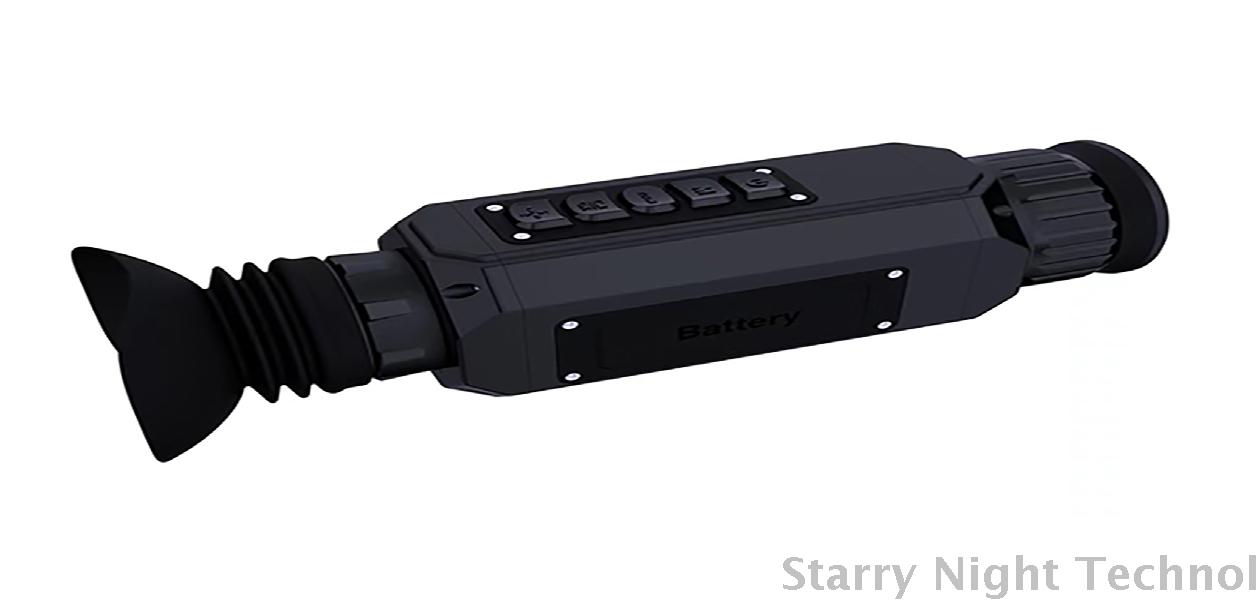 As global populations grow, meeting increasing food demands poses a heightened challenge for modern agriculture. Here, low light technology shows promise. Using NIR imaging, farmers can evaluate crop health by analyzing plant stress levels based on cellular responses activated at reduced light exposure.
This capacity allows agronomists to identify areas needing intervention before visible damage occurs. Moreover, integrating drones equipped with low light cameras can facilitate large-scale land assessments, providing detailed imagery irrespective of sunlight availability. Farmers can then optimize irrigation practices or apply fertilizers more strategically, culminating in higher overall yields and sustainable farming practices amid climate unpredictability.
#### Advancements in Automotive Safety
The automotive industry is another arena witnessing transformative shifts attributable to low light technology—particularly in the form of advanced driver-assistance systems (ADAS). Night vision capabilities in vehicles enable drivers to detect pedestrians, cyclists, and animals up to several hundred meters away, surpassing the range typically achievable through standard headlights.
Such advancements tremendously enhance road safety, reducing the likelihood of accidents that would otherwise be inevitable in diminished visibility scenarios. Consequently, these innovations contribute not just to individual protectorate comfort but cultivate safer traffic patterns for communities at large.
#### Consumer Electronics Yet Again Evolving
Finally, consumer electronics are no strangers to the benefits brought forth by low light technology. Smartphones today boast powerful camera features that perform exceptionally well even in dim lighting. Thanks to larger sensor sizes coupled with improved low-light algorithms, users can capture professional-grade photographs regardless of environmental circumstances.
Additionally, home automation systems powered by low light technology add value by integrating seamless smart-security solutions. Motion-activated lights paired with advanced recording cameras underline the efficacy of user-centric safeguards.
#### Conclusion
Overall, low light technology stands as more than just a scientific advancement — it’s reshaping our collective experience within multiple dimensions. While the implications are vast, fundamentally bridging gaps across various industries signifies its true transformative potential. As innovators strive to push boundaries further, we may very well find ourselves transitioning into realms previously thought impossible, all illuminated by the progressive torch of low light technology.
From safeguarding urban streets to revolutionizing healthcare practices and propelling modern-day agriculture towards sustainability, the journey ahead along this frontier promises endless possibilities worth exploring. Ultimately, industries globally are poised to continue tapping into low light technology's uncharted wealth to pave the way for foreseeingly bright solutions in the darkest of contexts.
Night vision device accessoriesStarry Night Technol
 Starry Night Technol
- +86 177 2792 7301
- Room 6A-16, 6th Floor, Shenzhou Computer Building, No. 2 Beier Road, Longgang District, Shenzhen Province, China