
"Innovations in Vision Enhancement: From Battlefield to Hospital Room"
1762567224000
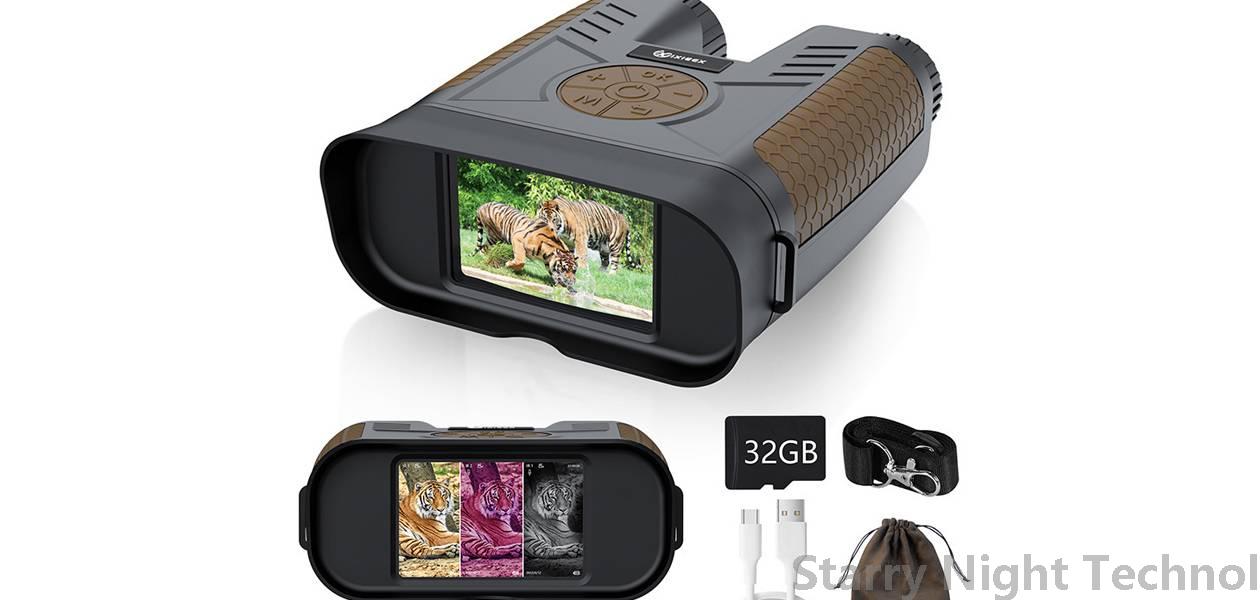
Vision is one of our most vital senses, influencing how we navigate the world and interact with those around us. Technological advancements have profoundly transformed vision enhancement strategies over recent decades, transitioning from military applications on the battlefield to groundbreaking medical solutions within hospital rooms. This article explores these innovations in vision enhancement, their development paths, and implications for both the armed forces and healthcare systems.
#### The Battlefield Origins
The roots of many modern vision-enhancing technologies can be traced back to the needs of the military. Night vision goggles (NVGs) were first developed during World War II and evolved significantly throughout subsequent conflicts. These devices enabled soldiers to see in low-light conditions, giving them a strategic advantage. Advancements in infrared technologies have led to the creation of thermal imaging cameras, capable of detecting heat signatures emitted by objects, including human beings.
As technology progressed, HMDS (Helmet-Mounted Displays) started integrating augmented reality (AR) features into NVG designs. Soldiers could access critical information like maps, enemy locations, and communication channels without needing to look away from their field of vision. Not only did this innovation enhance situational awareness, but it also reduced cognitive overload, making tasks easier under high-stress circumstances.
#### Transitioning to Civilian Applications
Once proven in battle, many military vision enhancements made their way into civilian life. One notable example is the advancement in optics technology which was spurred by military demands. The development of lightweight materials and improved optical sensors facilitated the production of consumer-grade binoculars and telescopes that are now widely used for recreational activities such as bird watching and stargazing.
Beyond recreation, the same advancements began showing promise within healthcare settings. In particular, technological spin-offs from military optics work became significant in surgeries where precision is paramount. Surgical microscopes equipped with advanced visualization capabilities allow surgeons to magnify fine details, improving outcomes in delicate operations such as microsurgery or ophthalmic procedures.
#### Medical Vision Technologies
One cannot overlook the innovations directly tailored to enhancing human vision for medical purposes. Devices like retinal implants and smart glasses illustrate how far medicine has come in restoring or even augmenting human sight.
 **Smart Glasses:** On another front, smart eyeglasses like Google Glass and others equipped with AR technologies do more than just enhance mundane experiences; they are being deployed in clinical environments. Surgeons wearing smart glasses can receive real-time data overlays while operating, thus eliminating the need to glance away at external monitors, allowing for uninterrupted focus on surgical sites.
#### Telemedicine and Remote Assistance
The COVID-19 pandemic accelerated the integration of telemedicine across various healthcare sectors. Among its numerous benefits, telemedicine platforms utilizing AR applications provide enhanced remote assistance guided by specialists. Wearable AR headsets allow nurses and junior doctors to connect visually with expert clinicians who can overlay real-time instructions onto what they’re seeing. Such tools drastically expand support possibilities, effectively bringing expertise directly to the patient's bedside when seconds count.
Moreover, these devices collect and analyze data passively, developing distinct patterns personalized for each patient’s needs, enabling proactive rather than reactive care. It offers not just immediate assistance but sets the groundwork for predictive analytics—transforming how health issues are diagnosed and treated.
#### Ethical Considerations and Accessibility
As with any advancement, there arise ethical considerations regarding equitable accessibility to these technologies. While the transition of military innovations to hospitals holds great promise, ensuring equal access regardless of socioeconomic status remains a challenge. Governments, non-profit organizations, and tech companies must collaborate to find ways to subsidize costs or develop affordable alternatives so that all populations benefit equally from these breakthroughs.
Additionally, regulatory bodies will need to keep pace with these rapid changes, providing robust frameworks that protect consumers while encouraging innovation. Issues surrounding privacy, data security, and informed consent in using these advanced systems require careful consideration to avoid misuse.
### Conclusion
Innovations in vision enhancement continue shaping two powerful domains: warfare and healthcare. By learning from military needs and deploying advanced technologies in clinical environments, we find ourselves on the brink of profound transformations in personal vision capabilities. Whether through emerging ocular prosthetics or heightened operational assists via augmented reality, securing better vision and quality of life continues reducing barriers and enriching lives, illustrating an inspired confluence of necessity-driven invention serving the greater good. As we step forward, remaining vigilant about ethics and accessibility will ensure that progress does not overshadow equity.
Essential Night Vision Devices for TravelStarry Night Technol
 Starry Night Technol
- +86 177 2792 7301
- Room 6A-16, 6th Floor, Shenzhou Computer Building, No. 2 Beier Road, Longgang District, Shenzhen Province, China